In healthcare, guaranteeing the well-being and safety of patients is extremely important. For individuals experiencing ingesting troubles, called dysphagia, specialized training for caregivers and healthcare specialists comes to be vital. This post explores the role of dysphagia training in top quality person care, discovering its relevance, techniques, and the effect it carries people' lives.
What is Dysphagia?
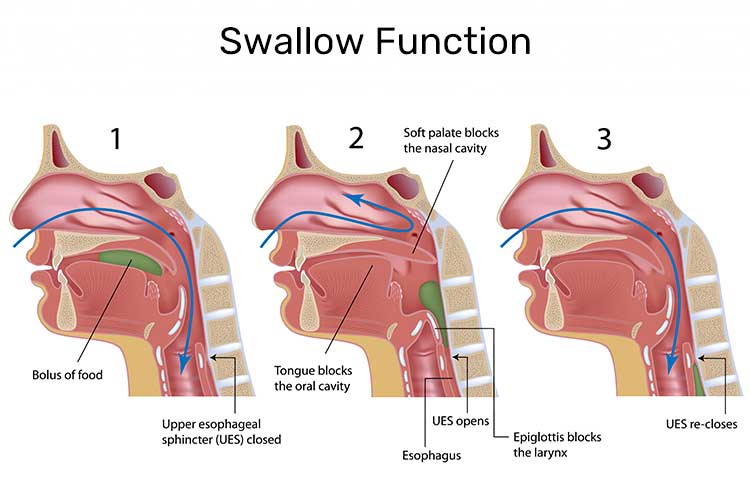
Dysphagia refers to trouble swallowing, which can be a result of different clinical problems such as stroke, neurological conditions, or aging. It affects an individual's capacity to consume securely, causing major wellness complications like goal pneumonia or malnutrition.
The Relevance of Understanding Dysphagia
Understanding dysphagia is important not only for healthcare providers however also for caregivers. By acknowledging the symptoms and signs of dysphagia, caregivers can give timely interventions that substantially enhance patient outcomes.
The Duty of Dysphagia Training in Quality Person Care
Dysphagia training equips healthcare staff with the essential expertise and abilities to take care of individuals efficiently. With proper training, caretakers can recognize ingesting problems at an early stage and apply approaches that promote risk-free eating and alcohol consumption practices.
Why Is Dysphagia Training Important for Care Staff?
Training plays a vital role in guaranteeing that treatment personnel are educated regarding dysphagia management. Many health care centers fail to acknowledge the need for specialized training; however, investing in dysphagia education can avoid prospective issues associated with improper care.
Improving Person Safety
One of the main goals of dysphagia training is to boost person safety. Treatment staff trained in dysphagia can identify indication such as coughing throughout meals or changes in voice high quality after eating. This vigilance assists protect against choking events and decreases risks related to aspiration.

Enhancing Top quality of Life
Effective monitoring of dysphagia directly correlates with an enhanced lifestyle for patients. When caregivers possess appropriate skills from comprehensive dysphagia training courses, they can create customized meal strategies that cater to each person's specific requirements while still making certain satisfaction throughout mealtime.
Components of Efficient Dysphagia Training Programs
Dysphagia training programs incorporate different components created to enhance caretaker competencies:
Understanding Composition and Physiology: A solid structure in human composition related to ingesting enables caretakers to comprehend how dysfunctions affect patients.
Assessment Techniques: Discovering analysis approaches enables care staff to evaluate swallowing capabilities accurately.

Diet Modifications: Training on proper diet regimen changes makes certain that caretakers can suggest appropriate food appearances and consistencies.
Safe Feeding Practices: Techniques such as correct positioning throughout dishes are vital elements covered in these programs.
Communication Strategies: Efficient interaction aids in between caregivers and people promote better understanding and adherence to nutritional modifications.
Emergency Protocols: Knowing what actions to absorb an emergency circumstance including choking enhances total safety.
Types of Dysphagia Training Courses Available
There are numerous kinds of programs tailored for different groups within the healthcare system:
- Dysphagia Training for Nurses Dysphagia Training for Carers Dysphagia Treatment Training Dysphagia Assistance Workshops Online Dysphagia Training Courses
Each program addresses specific needs related to the caretaker's role while giving essential insights right into best methods for taking care of dysphagic clients effectively.
How Can Healthcare Facilities Implement Dysphagia Training?
Healthcare centers should focus on carrying out structured dysphagia training programs within their companies. This could include:
Conducting routine workshops led by speech-language pathologists. Integrating online components into continuous specialist development. Encouraging cross-disciplinary cooperations amongst nursing team, dietitians, and occupational therapists.Benefits of Dysphagia Training for Carers
Carers that undergo official dysphagia training experience numerous benefits:
dysphagia course- Increased self-confidence when aiding patients. Enhanced observational abilities causing timely interventions. Improved team effort among multidisciplinary team members.
Measuring the Efficiency of Dysphagia Training Programs
To ensure that these programs produce favorable outcomes, it's essential to measure their performance through:
Patient feedback surveys concerning their nourishment experiences. Monitoring unfavorable events related to ingesting difficulties post-training implementation. Regular assessments reviewing carer expertise prior to and after finishing their corresponding courses.Common Misunderstandings About Dysphagia Management
Many misunderstandings border taking care of dysphagic individuals; resolving these misconceptions is crucial:
Myth 1: Ingesting troubles are only an issue for older adults
While age-related variables do add substantially to swallowing troubles, lots of younger individuals might additionally experience them because of numerous clinical conditions such as neurological problems or head injuries.
Myth 2: Food texture alterations make meals unappetizing
On the contrary! Experienced caregivers recognize just how to adjust recipes creatively while preserving taste profiles that pleasure individuals' tastes-- making sure nourishment does not compromise enjoyment!
Myth 3: Only speech specialists need to manage dysphagic patients
While speech-language pathologists play an essential function in identifying ingesting problems, every caretaker interacting with these people need to have some level of understanding regarding risk-free feeding practices.
Real-Life Study Demonstrating Effective Dysphagia Care
Case Research study 1: Stroke Recovery Patient
A middle-aged person recouping from a stroke experienced substantial enhancement after their nursing team completed comprehensive dysphagia training They implemented correct feeding methods customized especially around this person's unique demands-- leading eventually in the direction of much better recuperation outcomes.
Case Research study 2: Elderly Citizen in Long-Term Care Facility
A senior resident faced reoccurring goal pneumonias due largely due absence thereof any kind of prior instructional initiatives among caregiving staff till they underwent dysphasia care training Post-training results showed excellent declines both incidence prices along with healthcare facility admissions subsequently linked back in the direction of problems emerging from improper administration procedures beforehand instilled throughout facility operations overall!
FAQs Regarding Dysphasia Training
FAQ 1: What does a common dyslexia training course include?
A regular dyslexia course covers topics such as comprehending physiology relevant particularly toward ingesting systems in addition to assessment techniques supplied by signed up professionals experienced within respective fields-- helping individuals create necessary abilities required when working closely along with affected people day-to-day basis!
FAQ 2: Who should go to a dyslexia training course?
Anyone included directly within medical care settings including registered nurses assistants medical professionals occupational therapists ought to think about registering into committed programs focused around boosting knowledge surrounding issues related straight connected back toward efficient handling circumstances involving those identified under such problems respectively!
FAQ 3: Just how usually need to carers take part in refresher course courses?
It's suggested each year at minimum that all individuals engage with refresher course sessions targeted at maintaining present ideal techniques updated showing evolving standards developed across areas internationally-- making sure optimum service shipment always preserved high standards anticipated throughout sector landscape!
FAQ 4: Can on-line courses replace hands-on discovering experiences?
While online training courses supply important information they can not completely substitute functional application acquired with supervised interactions real-world environments where students experience varied scenarios presented consistently within scientific settings themselves!
FAQ 5: Exists any kind of qualification available upon completion?
Yes! The majority of trustworthy institutions use certifications showing proficiency acquired efficiently after finishing appropriate coursework-- which serve beneficially when seeking job opportunity future endeavors alike!
FAQ 6: What support resources exist post-training completion?
Various support networks exist ranging from online forums involving discussions amongst fellow grads sharing experiences troubleshooting common difficulties encountered throughout exercising using new-found proficiency gotten during initial durations transitioning onward let's start thereafter continuing development courses unraveling beyond educational parameters gone over here today!
Conclusion
In conclusion, the function of dyslexia training in top quality individual care can not be overstated; it represents a necessary element shaping successful results within health care atmospheres everywhere ran into along trips taken together browsing complexities linked underlying difficulties postured everyday intricacy regimens linked intricately woven together boosting lives uplifted positively transformed with efforts made collectively shared below today! Investing time resources into establishing thorough programs empowers not just those obtaining support but equally improves experiences caretakers foster building relationships built trust fund respect good understanding cultivated over durations shared promoting much healthier areas general paving pathways brighter futures ahead!